
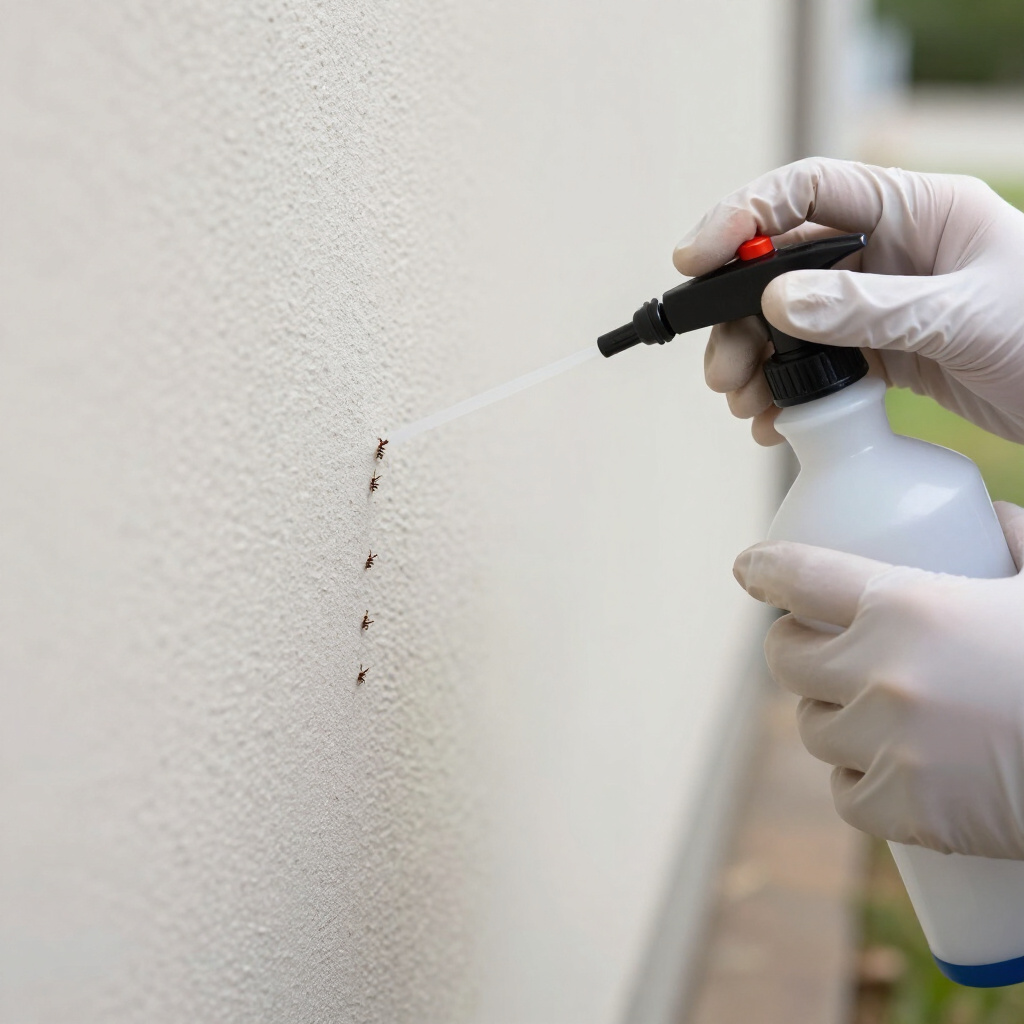


Few things are as frustrating as watching a steady trail of ants march across your kitchen counter or along a baseboard. These tiny foragers are incredibly persistent, and once a scout ant finds something worth sharing, it is not long before the entire colony knows about it. The good news is that ant invasions are not inevitable. With a proactive approach and a few simple changes to your daily habits, you can keep your living spaces comfortable, clean, and completely ant-free without constantly reaching for a spray bottle.
How to Prevent Ants From Invading Your Home
The most effective strategy starts with understanding what draws ants inside in the first place. Ants are primarily motivated by food, water, and shelter. Your home likely offers all three, which is why prevention requires a layered defense rather than a single quick fix. Rather than waiting to react after you spot the first intruder, think of protection as an ongoing routine. When you combine sealing access points, removing attractants, and maintaining your property, you create an environment where ants simply have no reason to cross your threshold. This comprehensive approach is the most reliable way to prevent ants from invading your home before the problem ever starts.
Seal Every Entry Point Ants Could Exploit
Ants can squeeze through remarkably small gaps, so a thorough inspection of your home's exterior is essential. Walk around your foundation and look for cracks in the mortar, gaps around windows and doors, and spaces where utility pipes enter the house. Even a hairline fracture is wide enough for an ant to pass through, and once one scout makes it through, it leaves a chemical trail for others to follow.
Use a high-quality silicone caulk to seal cracks and crevices along the foundation and around window frames. Replace worn weatherstripping under doors and install door sweeps if you notice daylight peeking through the bottom. Do not forget to check screens for tears and ensure they fit snugly in their frames. Caulk along baseboards and pipe entry points inside the home as well. The goal is to make it physically difficult for scouts to find their way inside and even harder for them to establish a reliable path.
Keep Food Sources Completely Out of Reach
Kitchens are the most common battleground because even the smallest crumb can signal a feast to a foraging ant. To break this pattern, store all pantry items such as sugar, flour, cereal, and pet food in airtight containers made of glass or thick plastic. Avoid leaving produce out on counters for extended periods, and wipe down surfaces after every meal with a solution that removes grease and residue.
Pay special attention to hidden messes that are easy to overlook. Sweep beneath the toaster, clean the stove drip pans regularly, and vacuum dining areas where crumbs fall between floorboards. Take out the trash daily if it contains food scraps, and rinse recyclable containers before placing them in the bin. If you have indoor pets, pick up their bowls after feeding time and avoid leaving dry food out overnight. A rigorously clean kitchen removes the scent trails that ants depend on to navigate and communicate.
Eliminate the Moisture Ants Need
While food gets most of the blame, water is equally important to an ant colony. Leaky faucets, damp basements, and condensation around pipes create ideal conditions for ants to settle in and stay. Check under sinks in the kitchen and bathrooms for slow drips or water stains. Repair any leaky plumbing promptly, and use a dehumidifier in chronically damp areas like crawl spaces, laundry rooms, or poorly ventilated bathrooms.
Outside, make sure gutters are clear and draining well away from the foundation. Overwatered flower beds, clogged drains, and standing water near the house can also attract ants searching for moisture. Check your outdoor spigots and irrigation lines for leaks that might create persistently damp soil right next to your walls. By drying up these sources, you remove one of the main incentives for ants to move indoors and set up camp.
Maintain a Protective Perimeter Around Your Property
Your yard and landscaping choices play a bigger role in ant prevention than many people realize. Trim tree branches and shrubs so they do not touch the exterior walls or roof, giving ants a natural bridge directly into your home. Keep mulch, firewood, and dense vegetation at least a foot away from the foundation, as these materials provide both moisture and shelter that colonies love.
Consider applying a natural deterrent along the foundation, such as food-grade diatomaceous earth, which can discourage ants without introducing harsh chemicals into your living space. Reapply after heavy rain. If you prefer a professional barrier treatment, a licensed pest control technician can apply targeted products around entry points that are safe for families and pets when used as directed. The combination of smart landscaping and a treated perimeter creates a powerful first line of defense.
Know When It Is Time to Call a Professional
Sometimes, despite your best efforts, an established colony finds a way inside or builds a nest somewhere within your walls. If you are seeing large numbers of ants, finding them in multiple rooms, or noticing wood shavings that might indicate carpenter ants, it is wise to bring in an expert. Pest control professionals can identify the exact species, locate hidden nests, and implement solutions that address the root of the problem rather than just the visible symptoms. Early intervention can save you from more extensive damage and frustration down the road.
Final Thoughts
Learning how to prevent ants from invading your home is less about expensive gadgets and more about consistent, mindful maintenance. When you seal entry points, keep food sealed and surfaces clean, manage moisture, and maintain your outdoor space, you remove the very things ants are searching for. Stay vigilant, especially during warmer months when ant activity peaks, and do not hesitate to seek professional guidance if a colony proves stubborn. With these habits in place, you will enjoy a home that feels truly yours—without any uninvited guests.