
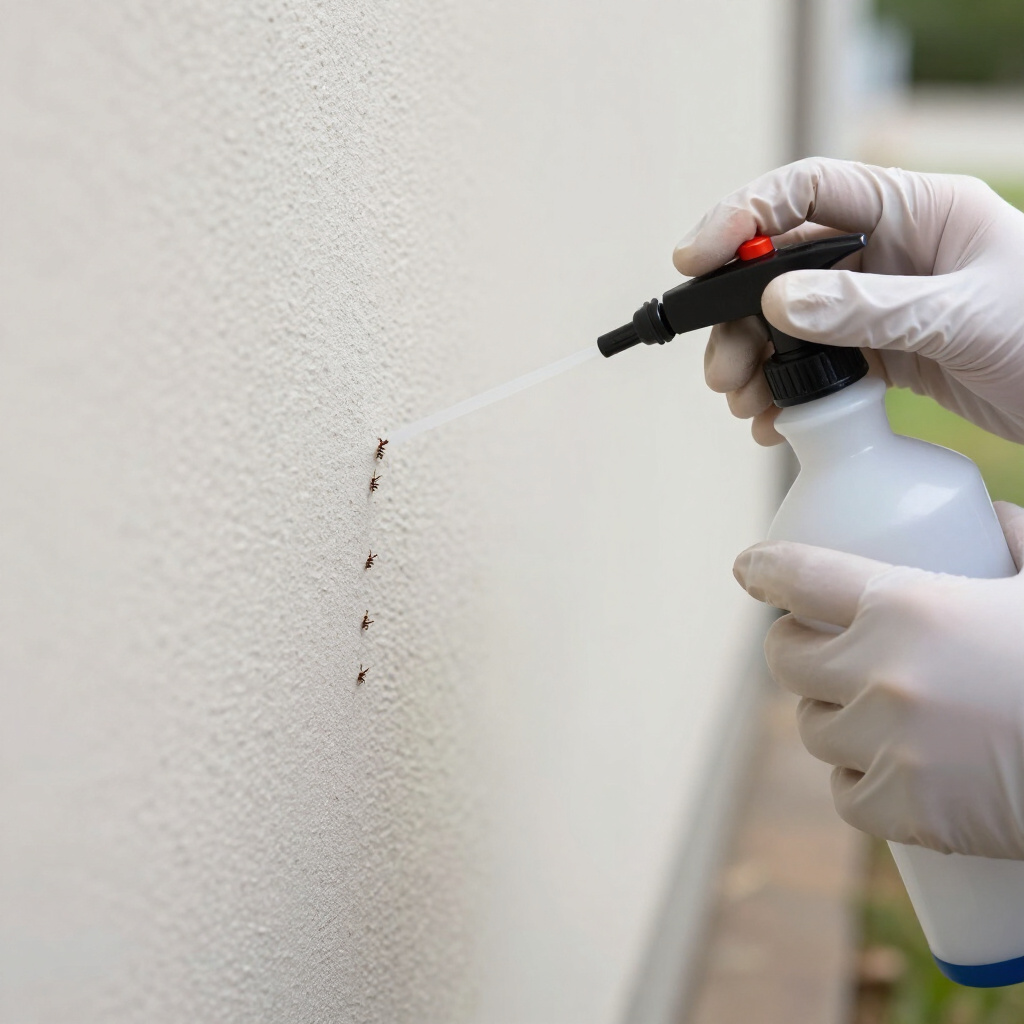


There's nothing quite like the sinking feeling of spotting an ant trail across your kitchen counter, finding a spider in the bathtub, or hearing the faint scratching of tiny feet in the walls after dark. Pests have a way of making even the cleanest, most well-loved home feel vulnerable and unsettling. The good news is that most infestations are preventable with the right knowledge and a consistent routine. You don't need to turn your home into a fortress or douse every surface with harsh chemicals—you simply need to understand what brings these unwanted guests inside and how to discourage them from settling in. From coastal climates to dry inland regions, every area has its own cast of usual suspects, but the principles of prevention remain remarkably similar. A few intentional habits, combined with smart home maintenance, can save you significant stress and protect your family's comfort.
Most Common Household Pests and How to Prevent Them: Identifying the Culprits
Ants are perhaps the most frequent invaders, slipping through microscopic gaps in search of sugary spills or crumbs. During spring and summer, you may notice winged swarmers or steady trails along baseboards; keeping counters clean, wiping down sticky residues, and storing pantry items in airtight containers goes a long way toward removing their foraging opportunities. Cockroaches prefer warm, humid hiding spots near water sources, clustering behind refrigerators and under sinks. Because they can spread bacteria and trigger allergies, fixing leaky faucets, drying sinks overnight, and eliminating cardboard storage boxes are essential steps. Mice and rats need only a small opening to enter, and once inside, they chew wiring, damage insulation, and contaminate food. Sealing exterior gaps with steel wool and caulk, particularly where utilities enter, removes their access. Spiders, while often beneficial outdoors, move indoors when other insects are present; reducing their prey population naturally reduces spider sightings in corners and basements. Silverfish thrive in damp bathrooms and basements, feeding on glue, paper, and textiles, so running a dehumidifier and clearing away clutter discourages them. Fruit flies and houseflies indicate decaying organic matter or overripe produce; prompt trash removal, rinsing recyclables before storage, and occasionally cleaning garbage disposal splash guards are simple but effective deterrents. Pantry moths often arrive inside birdseed, flour, or cereal boxes; freezing grains for a few days before storage kills hidden eggs and prevents a full-blown cupboard infestation. Each of these creatures follows a predictable pattern, and interrupting their access to food, water, and shelter is the foundation of good prevention.
What Attracts Pests Indoors and How to Remove the Welcome Mat
Understanding the most common household pests and how to prevent them starts with recognizing that they are opportunists, not random trespassers. They are drawn by three things: reliable food, accessible water, and safe harborage. In the kitchen, even a small residue under the toaster, a few grains of rice on the floor, or a pet food bowl left out overnight sends a powerful signal to foraging insects. Water is equally tempting; a slow drip under the sink, condensation on pipes, or a damp sponge creates a drinking fountain for insects and rodents alike. Even bathrooms are vulnerable, where damp towels and grout cracks provide ideal conditions for silverfish and ants seeking moisture. Clutter provides the final piece of the puzzle—stacked cardboard boxes, untouched storage bins, and crowded closets offer dark, quiet places to nest and reproduce. Start your defense by walking the perimeter of your home and inspecting for cracks around utility lines, torn window screens, warped door sweeps, and gaps under garage doors. Pay attention to your landscape as well; overgrown mulch beds against the foundation and firewood stacked near exterior walls create perfect transition zones for pests. Inside, adopt a no-food-left-out policy, address moisture issues immediately, and declutter regularly. Don't forget the garage and attic, which often become forgotten storage zones that bridge the gap between outdoor populations and your living space. When you remove the conditions that support life, pests naturally look elsewhere.
Key Tips
When you learn about the most common household pests and how to prevent them, you gain the ability to stop problems before they start. Prevention works best when it becomes part of your household rhythm rather than a one-time event. Seal all cracks and crevices around windows, doors, and foundations with weather-appropriate caulk or foam, and install door sweeps where daylight shows underneath. Store dry goods in glass or thick plastic containers with tight lids, and avoid leaving pet food out for extended periods. Take out the trash daily if it contains food waste, and keep outdoor bins sealed and positioned away from exterior walls. Trim tree branches and shrubs so they do not touch your roof or siding, eliminating natural bridges for crawling insects and rodents. Inside, vacuum frequently, paying special attention to baseboards, beneath appliances, and under furniture where crumbs and hair accumulate. Inspect and clean drains regularly, as organic buildup attracts small flies and provides breeding sites. Install chimney caps and cover attic vents with fine mesh to block birds, bats, and squirrels from entering through upper levels. If you have a crawl space, basement, or attic, consider a vapor barrier or dehumidifier to keep humidity levels in check, since damp environments support mold, insects, and wood-destroying organisms. For homeowners who want extra peace of mind, scheduling an annual inspection with a pest management professional can catch vulnerabilities before they become active infestations. These small, consistent actions create an environment where pests simply cannot thrive.
Final Thoughts
Protecting your home from pests is less about perfection and more about awareness and consistency. You will not eliminate every bug from your yard, nor do you need to. The goal is to make your home inhospitable to the creatures that want to move in and establish colonies. By staying curious about the small signs—droppings, shed wings, grease marks along baseboards, or unexplained chew marks—you can catch problems early and respond quickly before they multiply. Seasonal changes mean different pests will test your defenses throughout the year, so a prevention strategy that works in winter may need slight adjustments in summer. When an issue grows beyond what DIY methods can handle, or when you suspect wood-destroying insects or rodents inside walls, reaching out to a licensed pest control expert is a responsible and effective next step. Ultimately, the peace of mind that comes from knowing your home is protected is well worth the small effort required. With a little vigilance, routine maintenance, and an understanding of what attracts pests in the first place, you can enjoy a comfortable, healthy, pest-free home through every season.