
When ants march across your kitchen counter or aphids cluster on your tomato plants, reaching for a harsh chemical spray might feel like your only option. But more homeowners and gardeners are discovering that natural pest control methods can be remarkably effective—without the health risks, environmental damage, or harm to beneficial insects like bees and butterflies. The key is knowing which approaches genuinely work, when to use them, and how to combine them strategically. Let's explore proven natural solutions that deliver real results.
Natural Pest Control Starts with Prevention and Observation
The most successful natural pest management begins long before you spot a single invader. Smart prevention eliminates the conditions that attract pests in the first place, saving you considerable effort down the line.
Start with impeccable sanitation in your home. Crumbs, spills, and unsealed food containers are irresistible invitations to ants, cockroaches, and pantry moths. Store dry goods in glass or thick plastic containers with tight-fitting lids. Take out garbage regularly and clean recycling bins to remove food residue. Fix leaky faucets promptly—standing water draws everything from silverfish to mosquitoes.
In your garden, healthy plants resist pests far better than stressed ones. Build rich, well-draining soil with compost. Choose plant varieties suited to your climate and space them properly for air circulation. Rotate crops annually to disrupt pest life cycles. These foundational practices represent natural pest control at its most powerful, addressing root causes rather than symptoms.
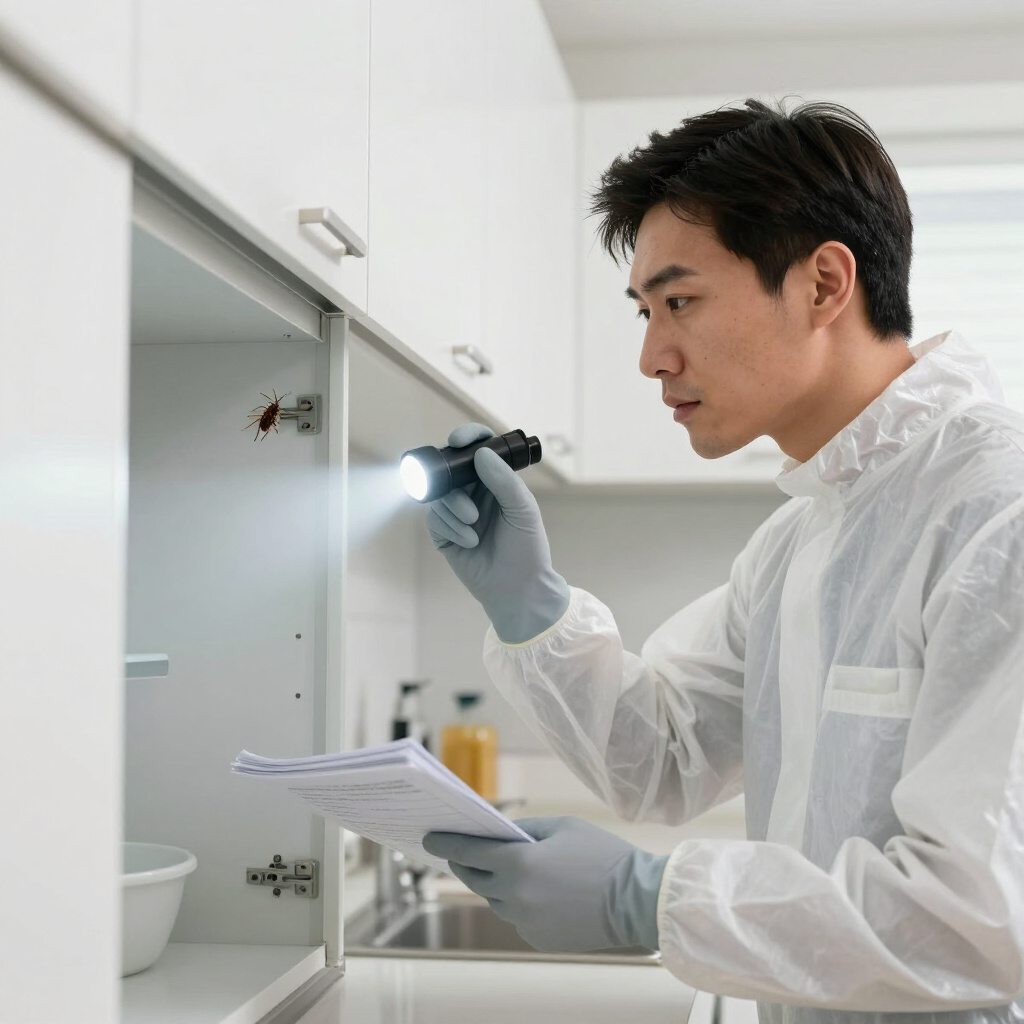
Regular observation completes your prevention strategy. Walk your garden every few days, turning leaves to check undersides where aphids and spider mites hide. Inspect baseboards, window frames, and dark corners indoors. Early detection lets you intervene while pest populations remain small and manageable.
Proven Natural Remedies for Common Pests
When prevention isn't enough, these targeted natural pest control methods have demonstrated consistent effectiveness across countless homes and gardens.
Diatomaceous earth stands out as one of the most reliable natural weapons against crawling insects. This fine powder consists of fossilized aquatic organisms with microscopic sharp edges. When ants, fleas, earwigs, or cockroaches crawl through it, the powder damages their waxy outer coating, causing dehydration and death within days. Apply a thin, visible layer along baseboards, behind appliances, and around garden plants. Choose food-grade diatomaceous earth for safety, and reapply after rain or heavy dew since moisture reduces effectiveness.
Neem oil serves as a versatile botanical insecticide derived from the neem tree. Its active compound, azadirachtin, disrupts feeding and growth in over 200 pest species including aphids, whiteflies, scale, and leaf-chewing beetles. Unlike synthetic chemicals, neem oil breaks down quickly in sunlight and has minimal impact on pollinators when applied correctly. Spray in early morning or evening when bees are inactive, coating leaf surfaces thoroughly including undersides. Repeat applications every seven to ten days during active infestations.
Beneficial insects offer living pest control that perpetuates itself. Ladybugs voraciously consume aphids, mites, and scale. Lacewing larvae attack soft-bodied pests with equal enthusiasm. Parasitic wasps lay eggs inside caterpillars and aphids, naturally limiting their populations. Attract these allies by planting nectar-rich flowers such as yarrow, dill, fennel, and cosmos. Avoid broad-spectrum insecticides that kill indiscriminately, and your garden will develop its own self-regulating ecosystem.
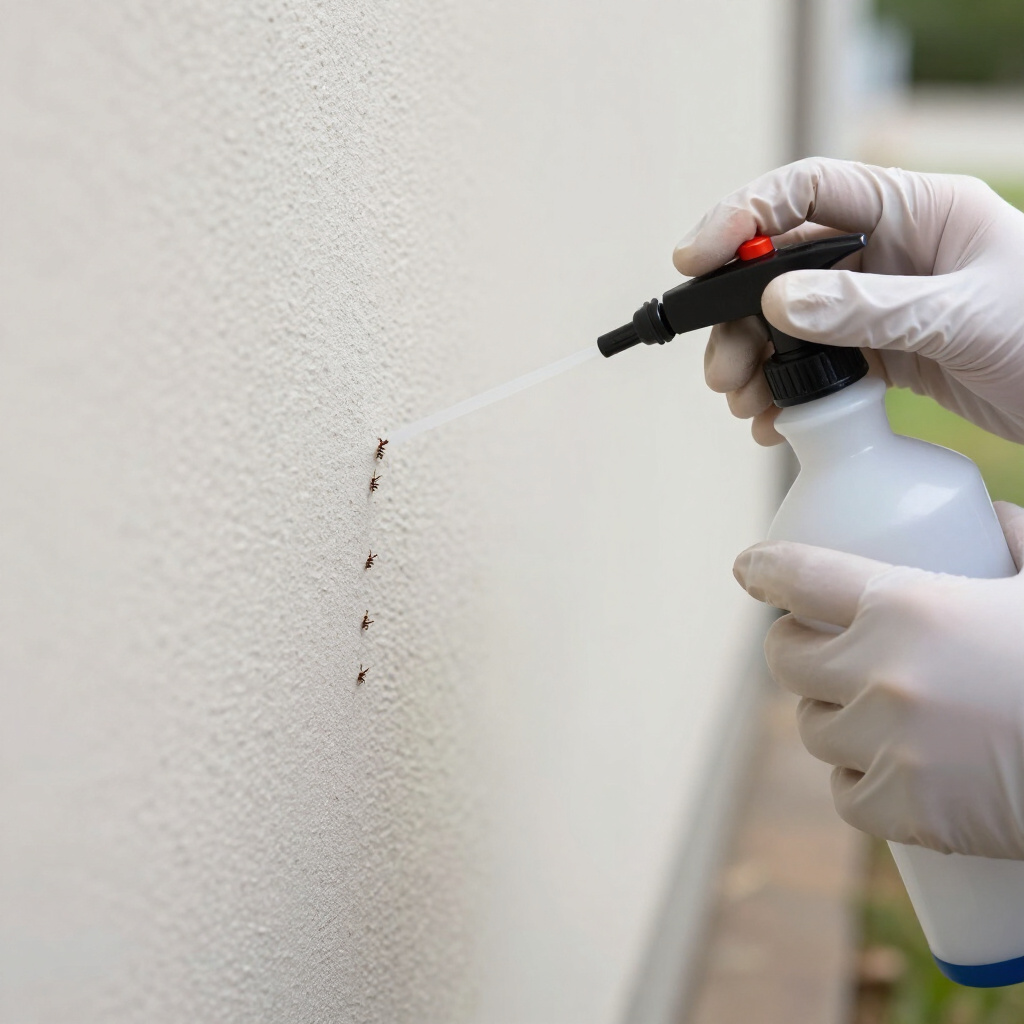
Vinegar and essential oil sprays work well for specific applications. A solution of equal parts white vinegar and water repels ants along their scent trails. Peppermint oil diluted in water discourages spiders and mice from entering when sprayed around doorways and foundation cracks. These solutions require more frequent reapplication than synthetic alternatives but offer genuine effectiveness without toxic residues.
Physical barriers and traps complete your natural arsenal. Row covers exclude cabbage worms and flea beetles from vegetables. Copper tape creates an unpleasant electrical charge that deters slugs and snails. Sticky traps monitor and reduce flying pest populations indoors. Beer traps or melon rind traps collect slugs overnight for easy disposal. These mechanical methods eliminate pests without any chemical input whatsoever.
Key Tips for Maximizing Natural Pest Control Success
Even the best natural pest control methods fail when applied haphazardly. These practical insights separate frustrated dabblers from satisfied practitioners.
Timing matters enormously. Apply neem oil and other botanical sprays when temperatures stay below eighty-five degrees Fahrenheit to prevent leaf burn. Release purchased beneficial insects at dusk when they're less likely to fly immediately away. Set traps before pest populations explode—preventive action always outperforms reactive scrambling.
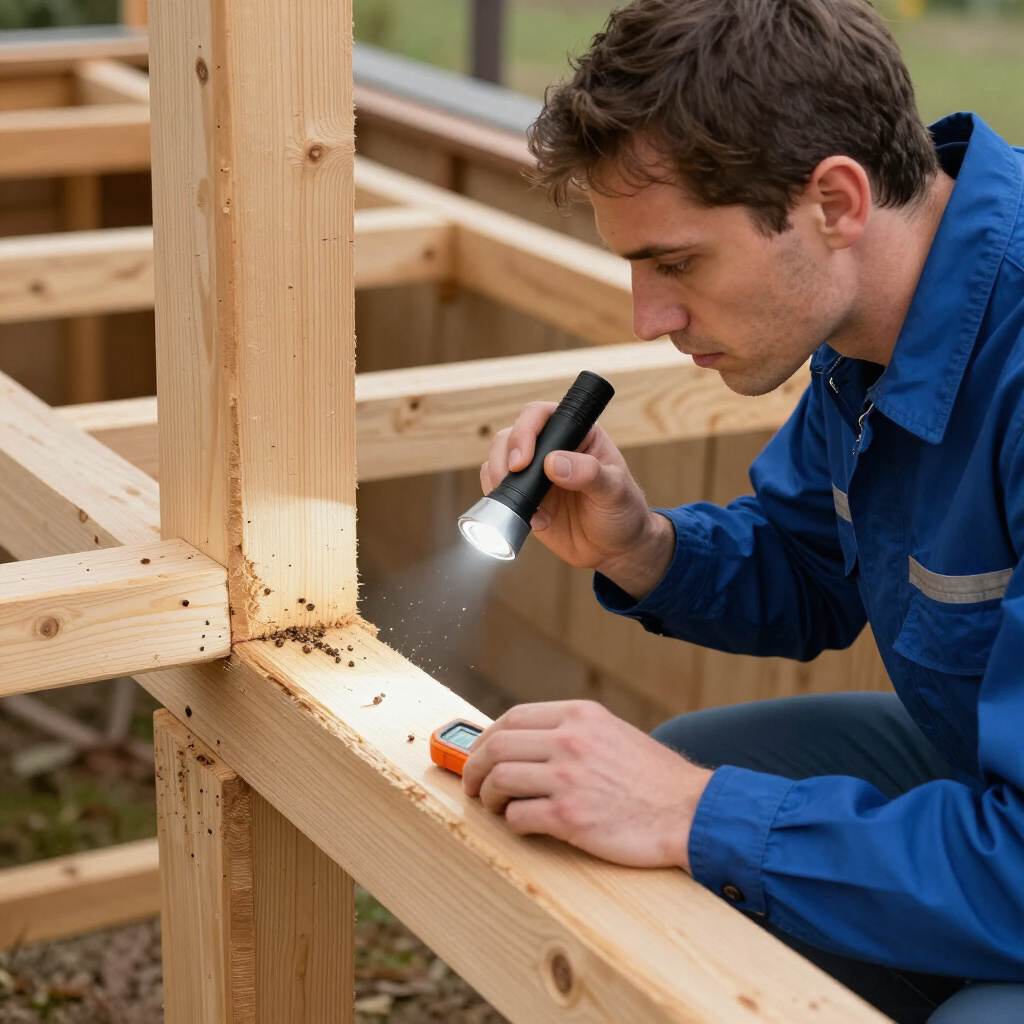
Correct identification prevents wasted effort. The treatment that eliminates spider mites won't touch fungus gnats, and slug remedies prove useless against cutworms. Examine pests closely or capture samples for identification through extension services or reputable online resources. Target your approach precisely rather than spraying everything in sight.
Patience distinguishes natural from chemical approaches. Botanical insecticides and biological controls typically work more slowly than synthetic neurotoxins. A treated aphid colony may take three to five days to collapse rather than hours. This measured pace reflects how natural systems actually function—and protects the broader ecosystem in the process.
Combine methods for complex problems. A serious indoor ant infestation might require sanitation improvements, diatomaceous earth barriers, vinegar trail disruption, and sealing of entry points simultaneously. Layering complementary tactics addresses pests from multiple angles, compensating for any single method's limitations.
Finally, accept reasonable thresholds. A few aphids on a robust plant rarely warrant intervention—predators often discover and control them naturally. Perfect, pest-free spaces are neither achievable nor desirable; the goal is preventing genuine damage while preserving ecological balance.
Final Thoughts
Natural pest control methods absolutely work when selected thoughtfully and applied consistently. The approaches outlined here—prevention foundations, diatomaceous earth, neem oil, beneficial insects, vinegar solutions, and physical barriers—have proven their worth across diverse settings and pest challenges. Success demands somewhat more knowledge and patience than grabbing a conventional spray, but the rewards include safer homes, thriving gardens, protected pollinators, and the deep satisfaction of working with natural processes rather than against them. Start with one or two methods matched to your specific situation, observe results carefully, and expand your natural toolkit as confidence grows. The pests don't require chemical warfare—just smarter, more attuned strategies.