
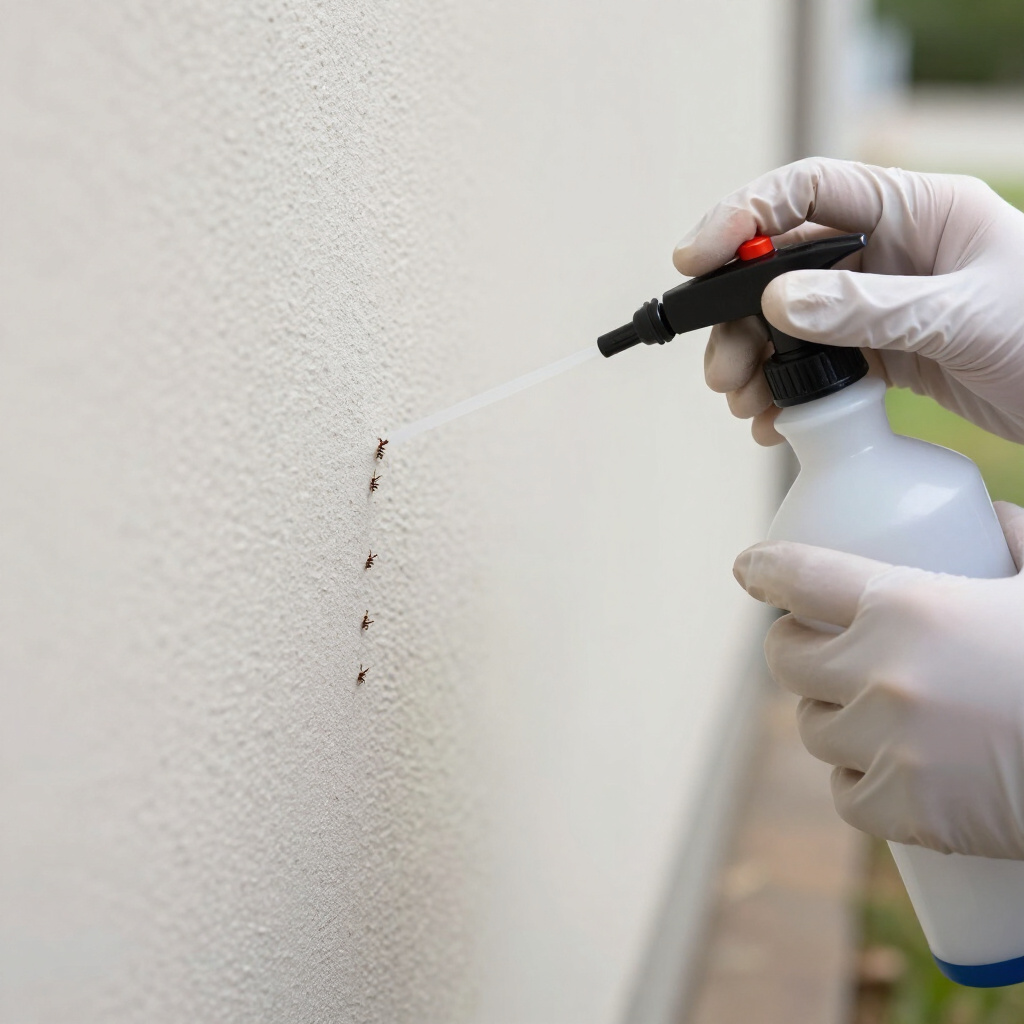


Keeping your home pest-free isn't a one-and-done task—it's a year-round commitment that shifts with the seasons. Each time of year brings its own set of unwanted visitors, from ants marching through your kitchen in spring to rodents seeking shelter when winter arrives. With a proactive approach and the right seasonal pest control checklist, you can stay ahead of infestations before they start. Whether you're a new homeowner or have been maintaining your property for decades, this guide will walk you through exactly what to do—and when—to protect your biggest investment.
Your Seasonal Pest Control Checklist for Every Time of Year
A well-organized seasonal pest control checklist is your best defense against the critters that want to move in uninvited. Breaking your efforts down by season makes the work manageable and ensures you're targeting the right pests at the right time. Here's how to structure your home protection strategy throughout the year.
Spring: Awakening and Entry Points
As temperatures rise, pests emerge from their winter hiding spots and begin breeding. Ants, termites, and stinging insects become especially active. Start your spring maintenance by inspecting your home's exterior for cracks and gaps around windows, doors, and your foundation. Repair damaged screens and replace worn weatherstripping. Clear debris from your gutters and direct downspouts away from your foundation to eliminate moisture that attracts pests. Trim shrubs and tree branches so they don't touch your house—these act as highways for ants, rodents, and other invaders. Consider scheduling a professional termite inspection, as spring is prime swarming season.
Summer: Peak Activity and Outdoor Defense
During the hottest months, mosquitoes, flies, wasps, and ticks are at their most troublesome. Your seasonal pest control checklist should focus heavily on outdoor management. Eliminate standing water in birdbaths, plant saucers, and clogged gutters where mosquitoes breed. Keep your lawn mowed and vegetation trimmed to reduce tick habitat. Store garbage in sealed containers and clean grills after each use to avoid attracting wasps and flies. Inspect your attic and crawl spaces for signs of bats or raccoons seeking cool shelter. If you enjoy entertaining outdoors, use fans on patios—mosquitoes are weak flyers and struggle against the breeze.Fall: The Rush Indoors
When temperatures drop, pests scramble to find warm, protected spaces. Stink bugs, boxelder bugs, ladybugs, and rodents are notorious fall invaders. Seal every potential entry point you can find, paying special attention to utility penetrations, vents, and gaps under garage doors. Install door sweeps and repair torn screens before the migration begins. Move firewood at least twenty feet from your home and elevate it off the ground—this discourages rodents and termites from setting up nearby. Inside, declutter storage areas where pests could nest, and inspect packages and decorations before bringing them indoors after summer storage.
Winter: Hidden Threats and Monitoring
Cold weather doesn't mean pest problems disappear—it means they're happening out of sight. Mice, rats, and cockroaches remain active indoors, making winter maintenance critical. Continue your seasonal pest control checklist by checking basements, attics, and crawl spaces for droppings, gnaw marks, or nesting materials. Listen for scratching sounds in walls or ceilings, especially at night. Keep food in airtight containers and don't leave pet food out overnight. Maintain consistent indoor temperatures in all areas of your home; extreme cold spots can drive pests deeper into your living spaces. This is also an excellent time to schedule a professional inspection, as technicians can identify vulnerabilities you might miss while you're spending more time indoors.
Year-Round Habits That Support Seasonal Efforts
Beyond season-specific tasks, certain consistent practices make every checklist more effective. Store all food, including pantry items and pet supplies, in sealed glass or plastic containers. Fix leaky faucets and pipes promptly—water attracts pests more than almost anything else. Vacuum regularly, especially in corners, under furniture, and along baseboards where crumbs and debris accumulate. Maintain a clean kitchen by wiping counters each evening and never leaving dirty dishes overnight.
Your landscaping choices matter too. Keep mulch at least twelve inches from your foundation, use rock or gravel barriers where possible, and avoid overwatering plants. Position outdoor lights away from doorways or switch to yellow bulbs that attract fewer flying insects. These small adjustments compound over time, making your home significantly less appealing to pests regardless of season.
Key Tips for Maximizing Your Pest Prevention
Even the most diligent homeowners encounter pest challenges. Knowing when to handle problems yourself and when to call professionals saves time, money, and frustration. For isolated incidents—a few ants, a single wasp nest, or minor spider activity—DIY methods often suffice. However, recurring issues, structural pests like termites, or any signs of rodents warrant expert intervention.
Document what you observe. Note where and when you see pests, what they look like, and any patterns in their behavior. This information helps professionals diagnose problems faster and more accurately. If you do hire help, ask about integrated pest management approaches that minimize chemical use while delivering lasting results.
Finally, revisit your seasonal pest control checklist each year and update it based on your experiences. Every home and region has unique challenges, and your strategy should evolve accordingly.
Final Thoughts
Protecting your home from pests requires consistent attention and smart timing. By following a structured seasonal pest control checklist, you address the specific threats each time of year presents while building habits that strengthen your defenses year-round. The effort you invest in prevention always costs less than dealing with a full-blown infestation—and gives you the peace of mind that comes from knowing your home is truly protected. Start with the season you're in today, work through the tasks methodically, and make pest control a natural part of your home maintenance routine.