

Termites work quietly, often hidden behind walls or beneath floors, long before you ever notice something is wrong. By the time damage becomes obvious, these persistent insects have usually been busy for quite a while. That is why recognizing the signs you may have termites early is one of the most important steps a homeowner can take. You do not need to be an entomologist to spot trouble; you simply need to know what to look for, where to look, and when to call for help. A quick walk around your property every few months can reveal subtle clues that save you significant stress down the road. With a little awareness and routine observation, you can catch an issue before it becomes a major headache and protect the comfort, safety, and value of your home.
Common Signs You May Have Termites
One of the earliest and most visible clues is the appearance of mud tubes along your foundation, crawl space walls, or support beams. Subterranean termites build these narrow tunnels from soil, wood particles, and saliva to maintain moisture as they travel between their colony and food sources. The tubes are often about the width of a pencil and can appear on both interior and exterior walls. If you break open a tube and see active, pale insects inside, that is a clear indicator of current activity. Even if the tube appears empty, do not assume the danger has passed; termites often rebuild damaged tunnels quickly.
Another telltale sign is the presence of discarded wings near windowsills, door frames, or light fixtures. Winged termites, called swarmers, emerge during warm, humid periods to mate and establish new colonies. After they land, they intentionally shed their wings, leaving behind small, uniform piles that resemble fish scales. Finding these wings indoors is especially concerning because it often means a colony is already established somewhere inside your structure and has matured enough to expand.
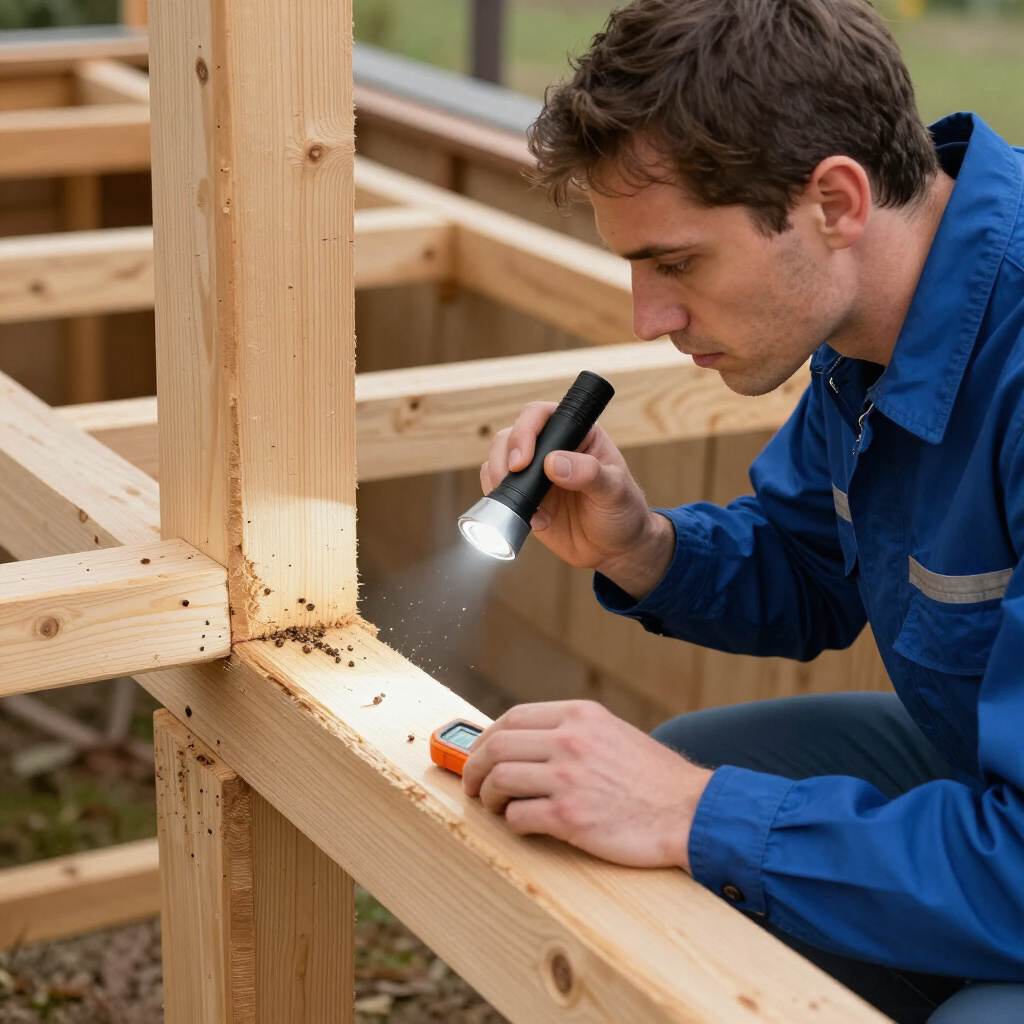
You should also pay attention to the condition of wood around your home. Wood that sounds hollow when tapped with a screwdriver handle or that crumbles easily under light pressure may have been compromised by interior tunneling. In drywood termite cases, you might notice tiny piles of frass, which look like fine sawdust or coffee grounds, accumulating near baseboards, windowsills, or wooden furniture. Unlike sawdust from construction, frass pellets have a distinct shape and appear where termites push waste out of their tunnels. Warped or bubbling paint and drywall can signal moisture buildup from termite activity, and doors or windows that suddenly become difficult to open or close may indicate shifting frames caused by hidden damage. Any one of these symptoms on its own might have an innocent explanation, but together they paint a far more concerning picture.
Where Termites Hide in and Around Your Home
Termites prefer environments that offer moisture, warmth, and reliable access to cellulose. Around the exterior of your home, inspect areas where wood meets soil, such as porch steps, deck posts, and fence lines. Firewood stacked directly against the house, thick mulch beds pressed up to the foundation, and decaying tree stumps all provide attractive harborage that can eventually lead termites closer to your walls. Even clogged gutters that cause water to pool near the foundation can create ideal conditions that encourage exploration.
Inside, focus on the lowest levels first. Basements, crawl spaces, and slab foundations are common entry points because they remain close to the soil and often retain higher humidity. Check utility penetrations, cracks in the foundation, and expansion joints where pipes enter the home. Look for darkened or blistered areas on wood surfaces, as these can indicate moisture intrusion paired with feeding activity. Attics are less common for subterranean types but can host drywood termites, especially if exposed wood is present and ventilation is poor. Warm, stuffy attic spaces with roof leaks provide exactly the kind of environment where certain species thrive.
Garages deserve special attention too. The wooden frame around garage doors, stored cardboard boxes, and even untreated lumber piles can invite inspection and eventual infestation. When you know the typical signs you may have termites, you can check these vulnerable zones with purpose rather than guessing, making your inspections far more effective and giving you greater peace of mind.
Key Tips for Protecting Your Home
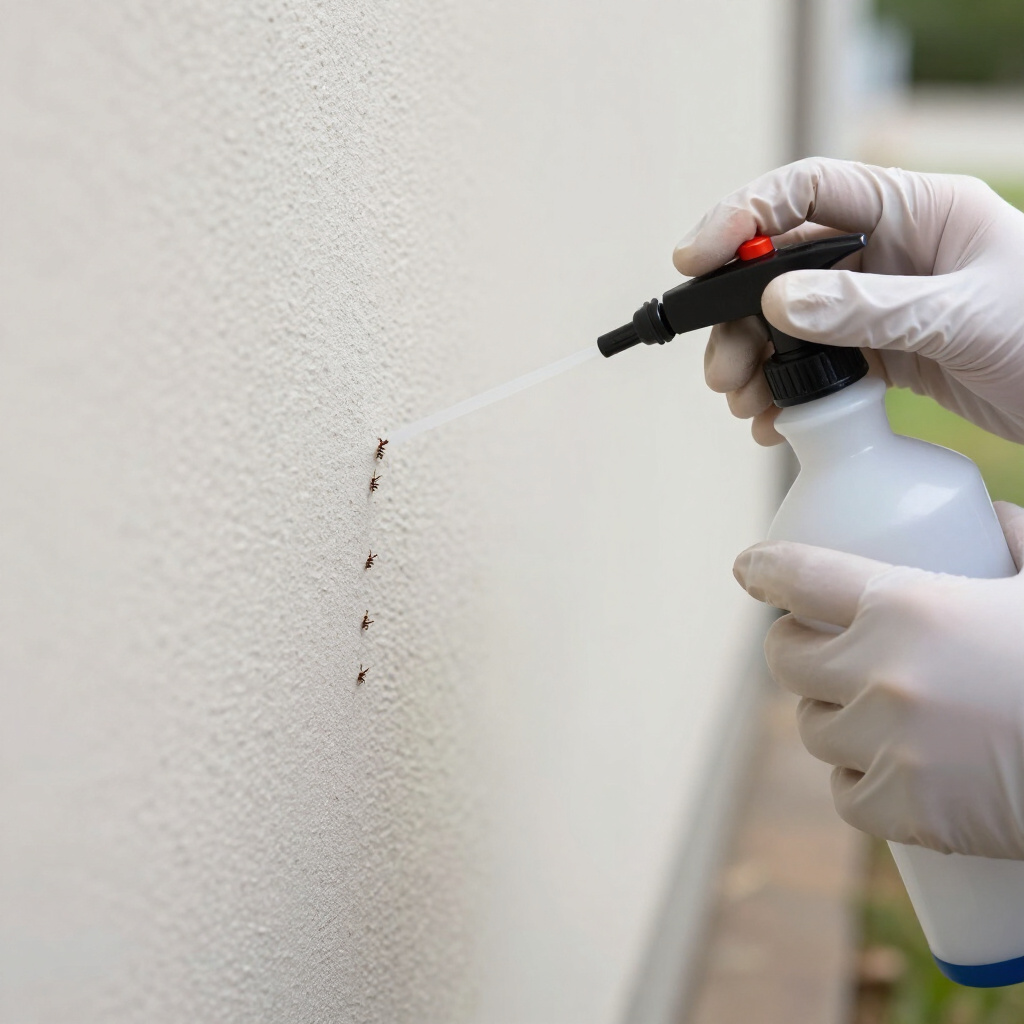
If you suspect termite activity, the best first step is to avoid disturbing the area. Spraying over-the-counter insecticides, tearing open walls, or breaking apart mud tubes can scatter a colony and drive it deeper into your structure, making professional treatment more difficult and potentially widening the damage. Instead, take clear photos and notes of what you have observed, then contact a licensed pest management professional for a thorough evaluation and customized treatment plan.
Moisture control remains your strongest long-term defense against future issues. Ensure gutters and downspouts direct water well away from the foundation, fix leaking faucets or pipes promptly, and maintain proper ventilation in crawl spaces and attics. Consider installing a vapor barrier in dirt-floored crawl spaces to reduce ground moisture. Wood-to-soil contact should be minimized wherever possible; keep firewood elevated on a metal rack and stored several feet from your exterior walls. If you use mulch for landscaping, keep it thin and avoid piling it directly against siding or foundation cracks.
Annual inspections by a qualified technician are one of the most reliable ways to stay ahead of infestations. Professionals have the training, experience, and specialized tools to detect subtle activity that homeowners might overlook, and they can recommend targeted treatment options if needed. When you act quickly after noticing signs you may have termites, you give your home the best chance of remaining structurally sound, comfortable, and pest-free for the long term.
Final Thoughts
Termites rarely announce their arrival, but they do leave behind plenty of evidence for those who know where to look. By staying observant and acting at the first hint of trouble, you can avoid the stress of extensive repairs and keep your home truly safe. Trust your instincts—if something looks, sounds, or feels off around your property, it is always worth having an expert take a closer look. Your home is one of your most important investments, and a little vigilance today can preserve its strength, beauty, and value for many years to come.