
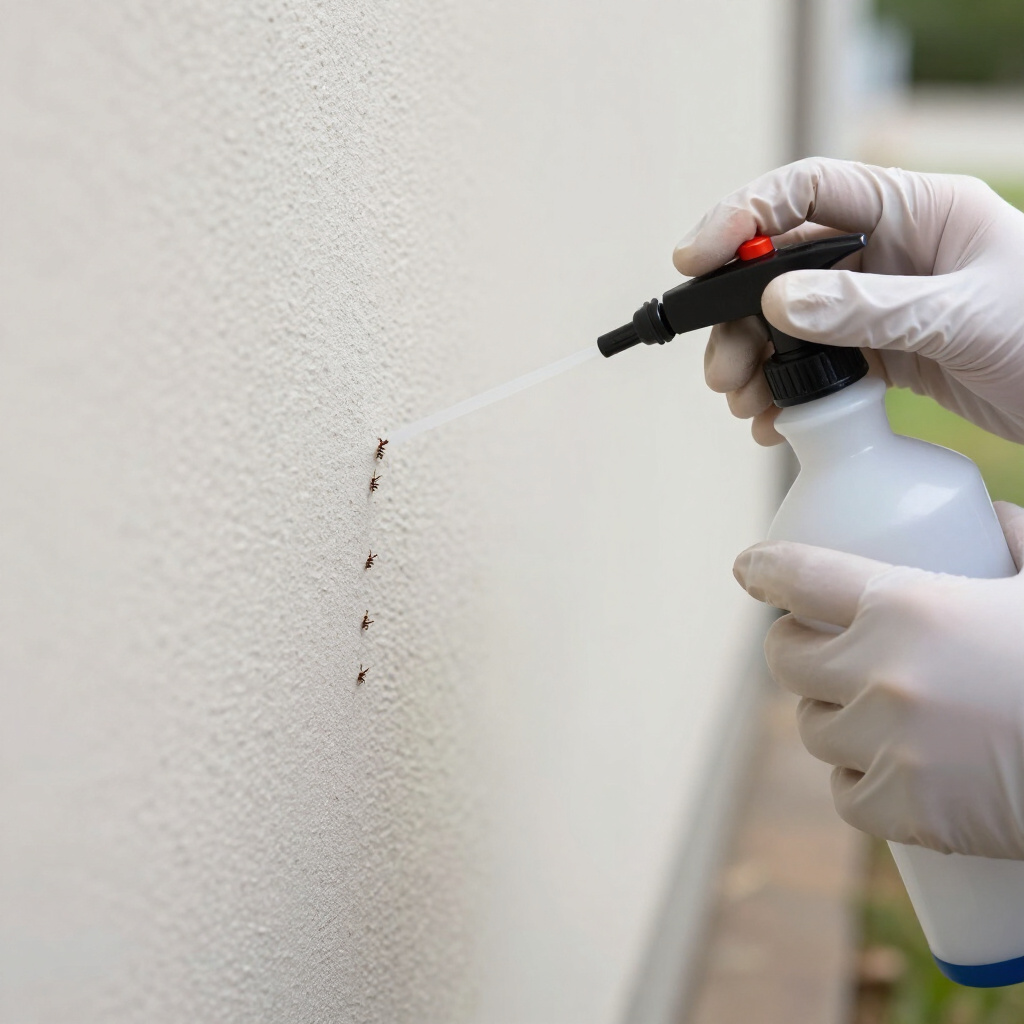

There is a certain pride that comes with handling household problems on your own. A leaky faucet, a squeaky door, or a trail of ants marching across the kitchen counter often feel like manageable weekend projects. But pests are not like other home maintenance issues. They hide in walls, multiply quickly, and adapt to the tricks you buy at the hardware store. Knowing the difference between a minor nuisance and a full-blown infestation can save you time, money, and a great deal of frustration. Sometimes, the smartest DIY decision is recognizing when the job is too big to tackle alone.
When to Call a Pest Control Professional
Knowing when to call a pest control professional often comes down to persistence, scale, and safety. If you have laid down traps, sealed entry points, and kept a spotless kitchen yet still wake up to droppings in the pantry or scratching sounds in the walls, the problem has likely moved beyond a surface-level annoyance. Recurring infestations are one of the clearest signals that an expert is needed. Pests such as cockroaches, rodents, and certain ant species establish colonies in areas you cannot easily see or reach, and store-bought solutions rarely address the root of the issue.
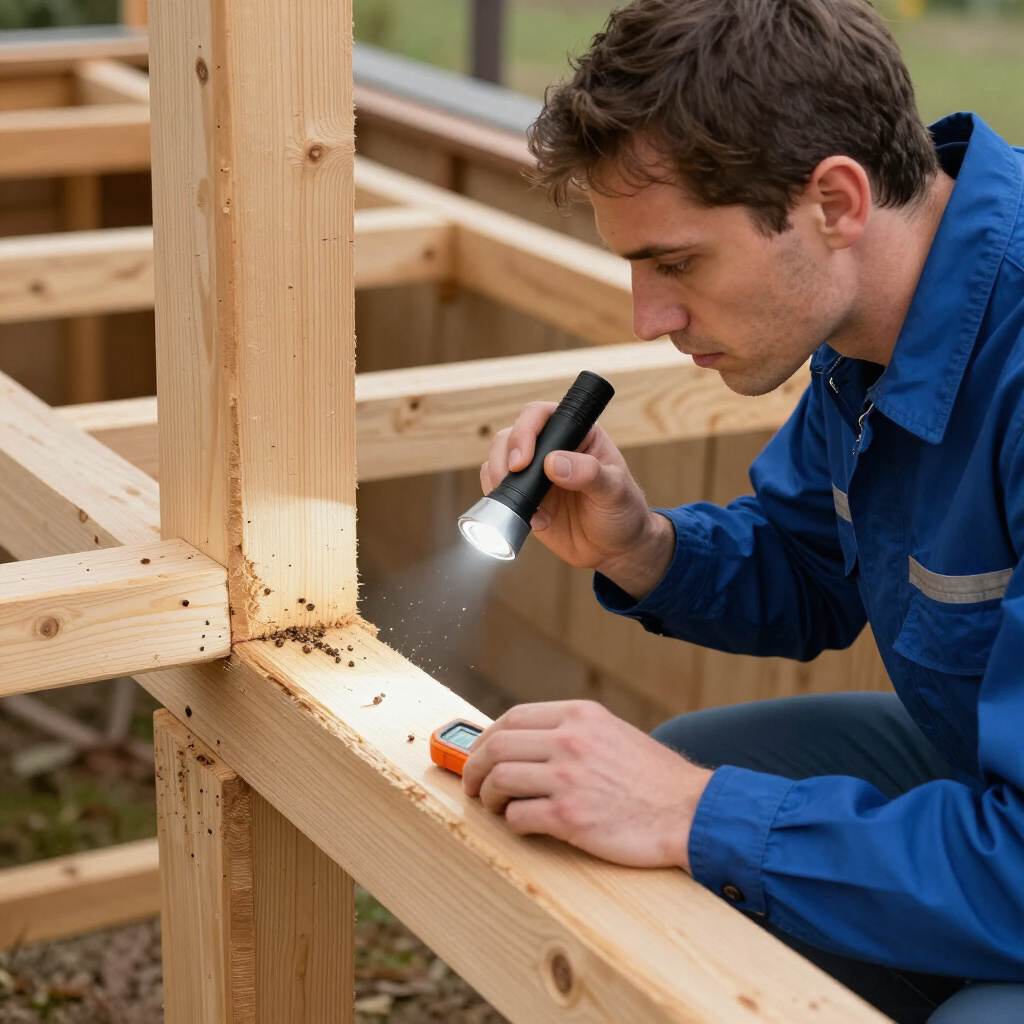
Structural damage is another major red flag. Termites silently compromise wooden supports, carpenter ants excavate galleries inside walls, and rodents chew through wiring and insulation. If you notice sagging floors, hollow-sounding timber, unexplained holes in drywall, or a sudden musty odor in confined spaces, you may already have significant hidden damage. A licensed technician can assess the extent of the problem, identify the species responsible, and implement a targeted treatment plan before repair costs spiral.
Health risks should also push the decision toward professional help. Bed bugs cause sleepless nights and persistent bites, stinging insects pose serious dangers to those with allergies, and rodents can contaminate food surfaces with bacteria. If anyone in your household has asthma, allergies, or a compromised immune system, delaying expert intervention is simply not worth the gamble. Similarly, if you are dealing with wildlife such as raccoons, bats, or squirrels in the attic, removing them requires specialized knowledge to avoid injury and to comply with local wildlife regulations.
Finally, consider timing and prevention. If you are moving into a previously vacant property, completing a major renovation, or preparing to list your home for sale, a preemptive inspection can catch problems before they become deal-breakers. Even if you do not see active pests, a professional can identify vulnerabilities—like moisture issues, foundation cracks, or overhanging tree limbs—that invite future trouble.
Pest Problems You Can Usually Handle Yourself
Not every winged or crawling visitor warrants an emergency service call. The occasional housefly, a single spider in the garage, or a small trail of sugar ants near the sink can typically be managed with good sanitation, caulk, and a bit of patience. Fruit bowls covered, trash sealed, and standing water eliminated will resolve many transient issues without chemicals. If a problem clears up within a few days of basic housekeeping, you have likely handled it correctly. The key is honest observation. If your efforts only provide temporary relief before the issue returns stronger, that is usually the moment the situation graduates to expert territory.
Key Tips for Hiring the Right Expert
Once you have decided to bring in help, choosing the right company matters as much as making the call. Start by verifying that the business is licensed and insured in your state. Certification ensures that technicians have been trained in safe application methods and understand local pest pressures. Ask whether they practice Integrated Pest Management, or IPM, which emphasizes inspection, exclusion, and the least-toxic solutions first rather than blanket spraying.
Request a detailed written plan before any work begins. A trustworthy professional will explain what pests they found, where entry points exist, which treatments they recommend, and how many follow-up visits are included. Be wary of vague quotes or pressure to sign long-term contracts without evidence of an active problem. It is also wise to inquire about guarantees. Reputable firms often offer complimentary re-treatments between scheduled visits if pests return.
- Ask for references or read recent reviews focused on courtesy, punctuality, and results.
- Confirm that the company uses products safe for children and pets if that is a concern in your household.
- Find out whether they provide documentation for your records, which is especially useful if you are a landlord or preparing for a home sale.
Final Thoughts
Pests rarely resolve themselves, and waiting too long often turns a manageable issue into a costly ordeal. Understanding when to call a pest control professional is about protecting both your property and your peace of mind. Trust your instincts: if something feels off, if the noise in the wall is getting louder, or if you are simply tired of fighting a battle you are not winning, reach out to a qualified expert. The right professional will not just eliminate what is bothering you today; they will help ensure your home stays comfortable and pest-free long into the future.