
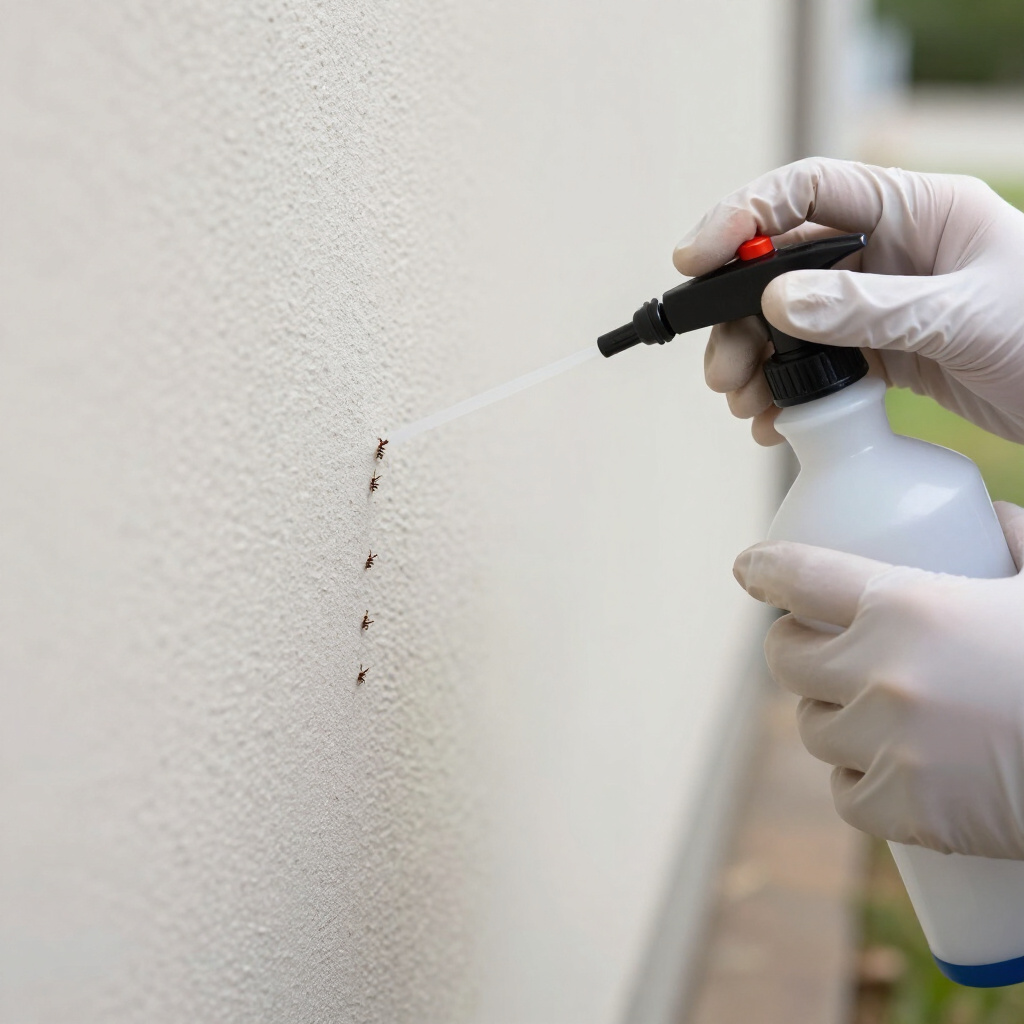


Professional Pest Control Services in Cheyenne
Cheyenne's unique High Plains environment creates distinct pest challenges for homeowners throughout Laramie County. Situated at over 6,000 feet elevation with dramatic seasonal temperature swings, the capital city sees pest pressure that differs significantly from lower-elevation communities. Cold, wind-swept winters drive rodents and spiders indoors seeking shelter, while warm summers bring ants, wasps, and occasional boxelder bug invasions.
Local pest control in Cheyenne demands familiarity with Wyoming's specific pest ecology. Prairie dogs and their associated flea populations affect peripheral neighborhoods. The semi-arid climate means fewer moisture-dependent pests like termites, but carpenter ants remain active in mature neighborhoods with established trees. Our technicians understand how Cheyenne's position along the Front Range influences pest migration patterns and tailor treatments accordingly.
Whether you own a historic home near the downtown depot district, maintain property in the growing eastern developments, or manage ranchland in the county's rural stretches, consistent pest management protects your investment and family's wellbeing.
Our Pest Control Services in Cheyenne
We provide comprehensive pest solutions calibrated for Cheyenne's climate and building stock:
- Residential pest control — Quarterly and bi-monthly exterior perimeter programs that block entry points before Cheyenne's harsh winter forces pests inside
- Rodent exclusion and control — Critical for Wyoming properties, including sealing foundation gaps, installing door sweeps, and strategic baiting for mice and pack rats
- Spider management — Targeted treatment for hobo spiders, wolf spiders, and black widows common to Laramie County outbuildings and basements
- Ant control — Pavement ant and carpenter ant treatments, with moisture management recommendations for the dry Cheyenne climate
- Wasp and hornet nest removal — Safe elimination of paper wasp and yellow jacket nests from eaves, sheds, and fence lines
- Occasional invader control — Boxelder bugs, elm seed bugs, and millipedes that aggregate on sunny south-facing walls during autumn
- Commercial pest management — Discreet, documented service for restaurants, warehouses, medical facilities, and government contractors throughout the city
All treatments account for Cheyenne's elevation-intense UV exposure, which degrades some conventional pesticides faster than at sea level. We select products formulated for extended residual performance in high-altitude, high-sun conditions.
What to Expect: Pest Control Costs in Cheyenne
Pest control pricing in Cheyenne reflects Wyoming's service area logistics and the specific challenges of High Plains pest management. Most homeowners find recurring protection more economical than addressing full-blown infestations reactively.
General cost guidance for the Cheyenne market: initial service visits for standard residential pest control typically range from $129 to $249, with monthly or quarterly maintenance plans between $39 and $89 per treatment. Rodent exclusion work involving structural sealing and trapping generally starts around $199 for assessment and initial service, with follow-up visits as needed. Wasp nest removal on accessible structures usually falls between $85 and $175. Severe infestations requiring intensive interior treatment, commercial-grade monitoring, or specialized equipment for large properties will quote higher.
Properties in outlying Laramie County areas beyond city limits may incur modest travel fees. Homes with extensive prairie dog colonies adjoining the lot or significant deferred maintenance requiring extensive exclusion work will see adjusted pricing. We provide exact quotes after inspection, never over-the-phone estimates that change on arrival.
Areas We Serve in and Around Cheyenne
Our service territory covers Cheyenne proper and surrounding Laramie County communities, from established neighborhoods to developing subdivisions and rural acreages:
Cheyenne Neighborhoods
- Downtown Cheyenne and Historic Depot District
- Rainsford and Buffalo Ridge
- Sun Valley and Cole Addition
- College Hills and surrounding area near LCCC
- Archer Estates and Highland Hills
- Saddle Ridge and eastern developments
- South Greeley and South Cheyenne neighborhoods
- Fox Farm and Crown Heights
Nearby Communities
- Burns
- Carpenter
- Hillsdale
- Pine Bluffs (eastern Laramie County)
- Albin
- Meriden
Rural route service extends throughout Laramie County for agricultural properties, horse facilities, and ranches requiring perimeter pest management and outbuilding protection. We coordinate with property owners' schedules, understanding the demands of Wyoming ranch operations.
Common Questions About Pest Control in Cheyenne
Do I need pest control in winter when it's so cold?
Winter is actually when Cheyenne homes face intensified rodent and spider pressure. Mice, voles, and field-dwelling spiders actively seek heated structures when temperatures drop below freezing and snow cover reduces ground-level food sources. Maintaining exterior barrier treatments and sealed entry points through winter prevents the surge of indoor activity that peaks in January and February.
Are prairie dogs on my property a pest concern?
Prairie dogs themselves are managed wildlife in Wyoming, but their colonies harbor fleas capable of transmitting plague and attract rattlesnakes to hunting grounds near homes. We do not directly treat prairie dog towns, but we can implement flea control around colony perimeters, seal structures to prevent burrowing animal entry, and advise on property management to reduce wildlife-pest interactions.
How does Cheyenne's altitude affect pest control treatments?
At 6,062 feet, Cheyenne's thinner atmosphere increases UV degradation of some pesticide formulations and accelerates product breakdown on exposed surfaces. Our technicians select microencapsulated and granular formulations with proven high-altitude stability, apply treatments during appropriate weather windows, and adjust re-treatment intervals to maintain effective protection despite accelerated environmental degradation.